
Chandigarh, an Ambitious Urban Project by Le Corbusier

The Indian leader Jawaharlal Nehru declared that a semi-arid plain in the foothills of the Himalayas would be the future of India. He envisioned a new city of Chandigarh in this place – a new capital of Punjab, which had to be built from the ground up for the nation that survived one of the bloodiest partitions in human history. For Nehru, the city had to become a symbol of India’s freedom and an ambitious expression of the nation’s future. The French-Swiss architectural designer Le Corbusier was invited to bring those ideas to life, with the resulting urban complex remaining one of his most recognizable architectural projects.
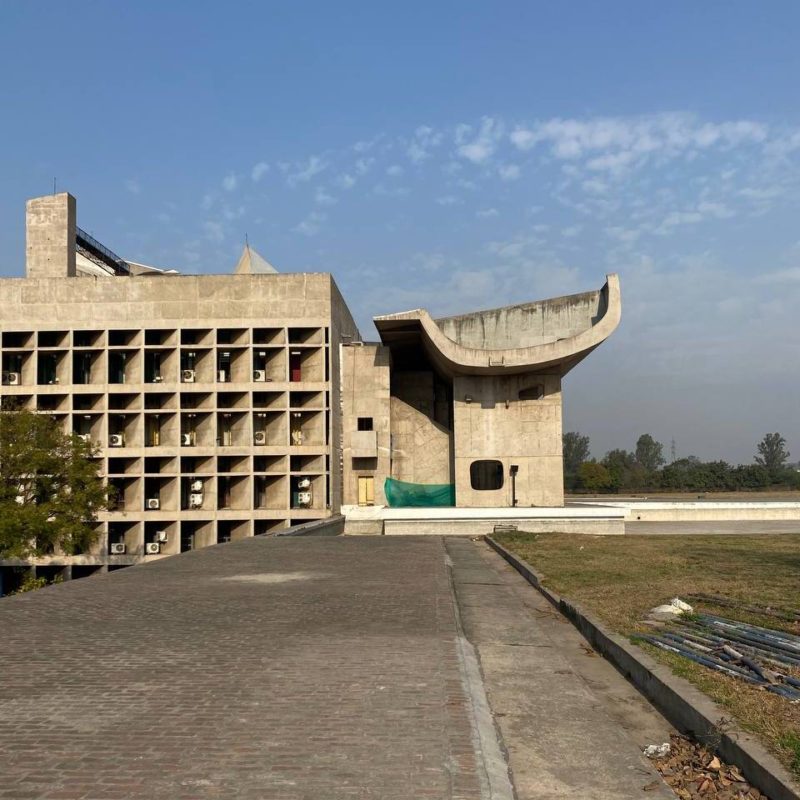
Le Corbusier as Chandigarh’s Architect
Interestingly, Le Corbusier wasn’t the only one to be invited to build Chandigarh. Nehru first wanted to engage the American urban planner Albert Mayer and the Polish architect Matthew Nowicki, but Nowicki’s tragic death in an airplane crash in 1950 urged Mayer to withdraw from the project. Le Corbusier’s candidacy was approved, and the architect approached the project with rigor and passion, seeing it as a unique opportunity to implement his daring ideas that European city planners denied throughout his career.
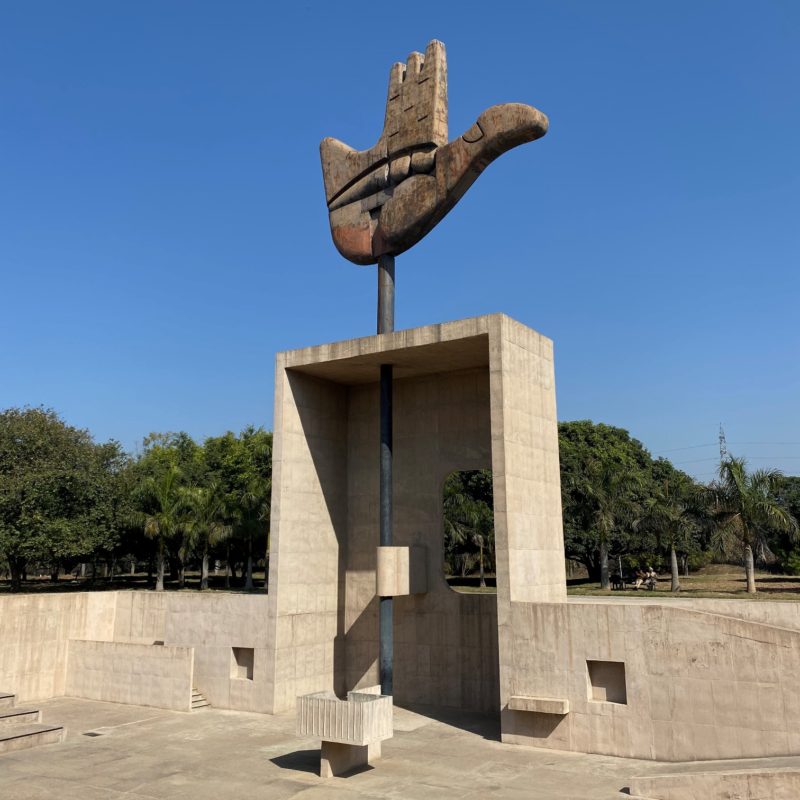
The Capitol Complex of Chandigarh
Le Corbusier’s main contribution to the ambitious urban project was the Capitol Complex, a cluster of government buildings built in the northern part of the city, separated from the residential sectors by open plazas. The whole complex was monumental, making humans look like dwarves in comparison with the scale and size of architectural elements. For Le Corbusier, this choice of scale was intentional, meant to symbolize civic dignity. Yet, the concept proved not as practical as it seemed on paper because of the large distances between buildings, making them inaccessible amid Punjab’s heat.
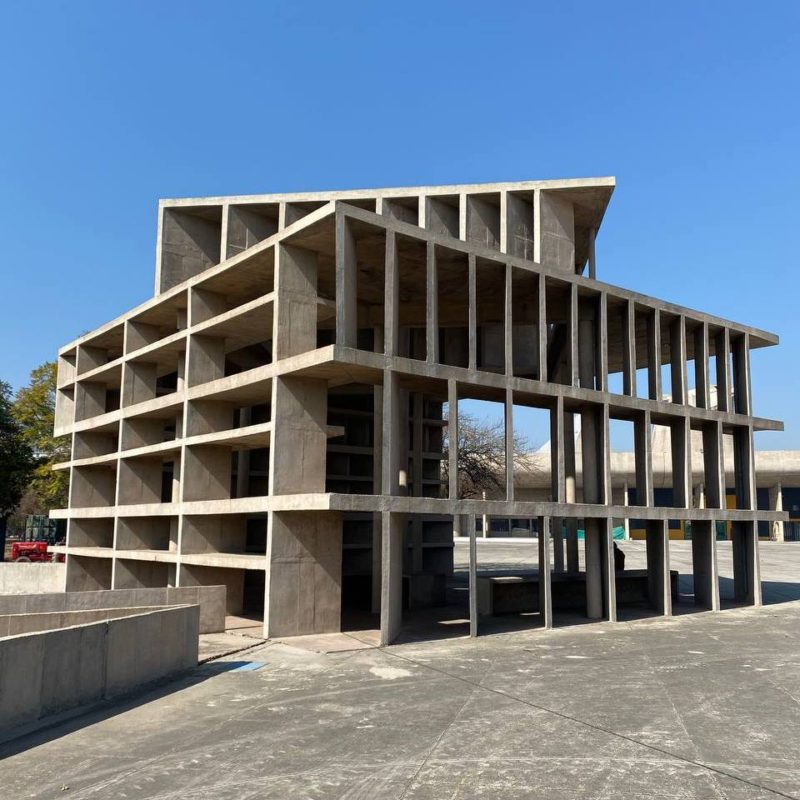
Le Corbusier’s Ideas, Ruined by Reality
The city’s master plan was elegant in all senses. What went wrong is its complete detachment from reality and context. Critics point out that the architect visited India only a couple of times, building the entire city project from his Paris atelier. As a result, the sector system neatly fitted to the middle-class government employee lifestyle turned out completely inappropriate for the waves of rural immigrants and partition refugees flooding Chandigarh. Wide roads meant for cars were not suitable for walking and cycling – typical modes of transportation in poor India. Vast open plazas meant for walking were deserted throughout the high-heat season because of the absence of shade.
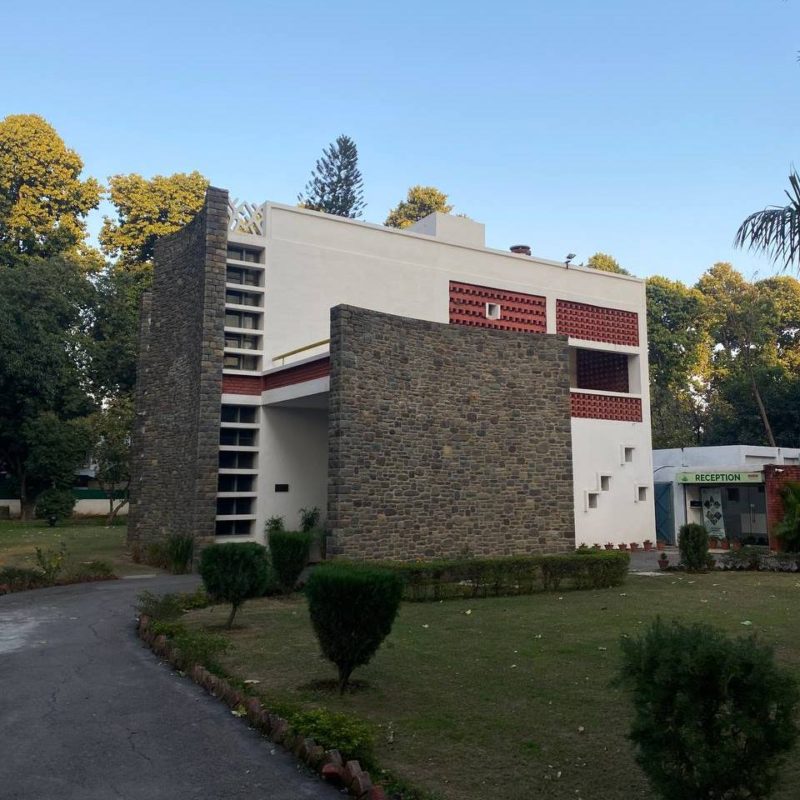
Yet, despite this stark absence of fit for the Indian reality, Chandigarh can’t be called a failed city. Its population has managed to develop a unique Indian post-partition, Corbusian identity that gives the project an element of transformative architecture.