
From Sacred Tradition to Global Art: The Russian Icon Reconsidered
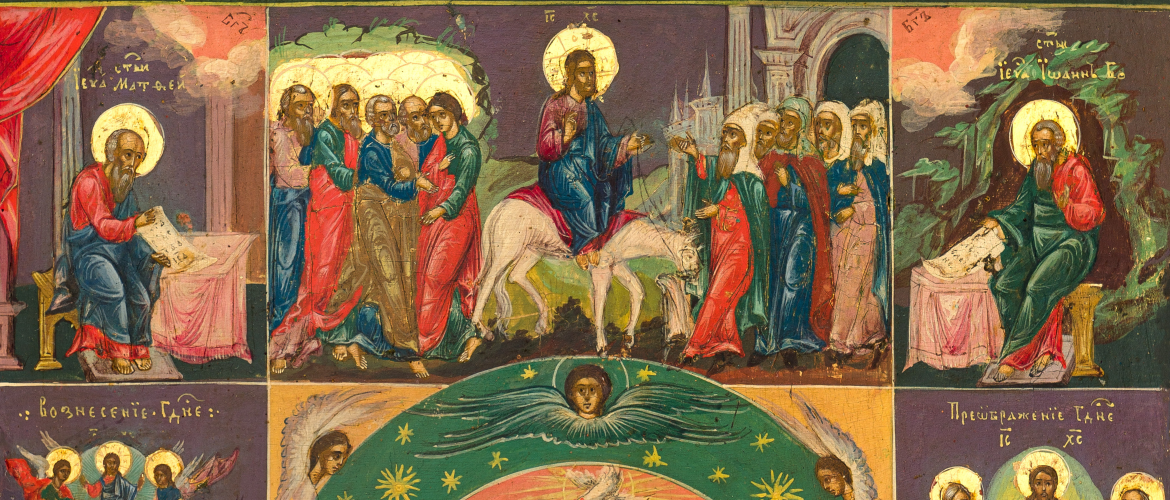
Russian icons, long kept in oblivion, are regaining their status as a vital part of the broader global art legacy. The Soviet-era cult of the personality left a trace on Russian spirituality and led to a permanent loss of numerous rare, valuable religious art pieces. However, the post-Soviet period of spiritual recovery, along with the transnational community of Russian descendants, is contributing to the revival of interest in Russian icons by bringing private collections on view and popularizing this art form.
The Global Role of Icons in the 21st Century
Clemena Antonova, a Research Director at the Institute for Human Sciences in Vienna and Affiliated Researcher at the Institute for Orthodox Christian Studies in Cambridge, wrote an insightful article for the art catalog of the Oleg Kushnirskiy collection. The article examines the role of icons in global art in the 21st century. The author draws attention to the long-standing complexity of defining icons and their evolution beyond the Eastern Orthodox tradition. Antonova points to the fact that a broader intercultural and interreligious dialogue is possible in the 21st-century globalized world, making Russian icons a significant player in religious art, capable of contributing the spiritual dimension and unique artistic methods to the iconography of the Christian world.
A special focus in Clemena Antonova’s article is given to the centrality of spiritual storytelling in Old Believer icons. The majority of icons in the Oleg Kushnirskiy collection belong to the hagiographic, or narrative, type, with a central image surrounded by a carefully selected progression of border scenes. For the researcher, this narrative structure gives Russian icons the universal language that anyone can understand at the symbolic level, making such icons globally accessible ambassadors of Christianity. These ideas resonate within the broader transnational context of Russian culture, which spread alongside waves of emigration and has since taken root in diverse regions around the world.
Embrace the Rising Global Art Trend with Russian Icon Collection
The study of Russian icons—long valued for the richness and diversity of their historical tradition—is experiencing a renewed surge of interest. The Russian Icon Collection project offers a unique opportunity to engage with this legacy through its recently published comprehensive art catalog of the collection assembled by Oleg Kushnirskiy.
The publication features high-resolution images of each icon, including detailed views of border scenes, accompanied by in-depth analysis of their iconography, symbolic meaning, and artistic techniques. It is further enriched by contributions from leading experts in the field, providing authoritative insights and a deeper understanding of both the historical significance and contemporary relevance of Russian icon painting.