
Inside the Oleg Kushnirskiy Collection of Antique Russian Icons
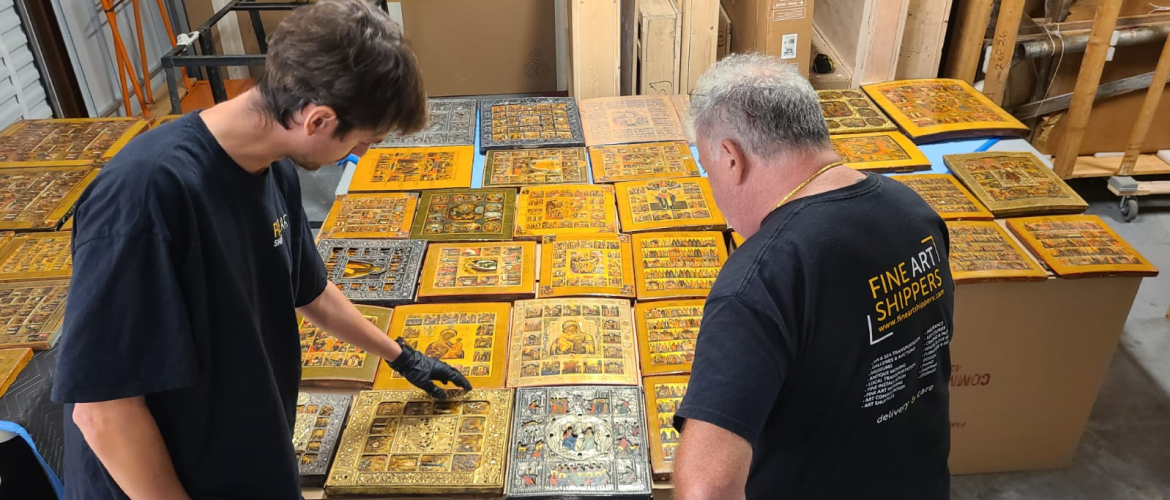
The Oleg Kushnirskiy Collection is one of the most notable private collections of antique Russian icons assembled outside Russia. Focused primarily on Old Believer iconography, it offers a rare opportunity to explore a distinct artistic and spiritual tradition that survived centuries of religious reform, persecution, and cultural change. Built over decades of dedicated collecting, the collection presents a coherent overview of icon painting from the 17th through the 20th centuries.
About the Collector
Before immigrating to the United States in the early 1990s, Oleg Kushnirskiy worked as a professional photographer in St. Petersburg and collaborated with prominent figures in Soviet-era art photography. His passion for religious art led him to collect icons throughout Russia, though he was forced to leave that collection behind when he emigrated.
After settling in New York, Kushnirskiy resumed his collecting efforts with renewed determination. Today, his collection includes more than sixty rare examples of Russian icons, many of which are associated with the Old Believer tradition.
A Focused and Cohesive Collection
Rather than collecting antique Russian icons broadly, Kushnirskiy concentrated on a specific category of Old Believer iconography known as polnitsy, or full-cycle icons. These works typically combine a central devotional image with multiple narrative scenes arranged around the border.
A recurring theme throughout the collection is the Orthodox image of the Resurrection—Descent into Hell, which serves as a visual and theological centerpiece for many of the icons. This focused approach gives the collection exceptional coherence and scholarly value.
Antique Russian Icons from Four Major Centers
The collection also reflects the regional diversity of icon painting, allowing for the study of Russian icons originating from several renowned workshop centers.
- Palekh icons are distinguished by refined miniature painting techniques, elegant highlights, and sophisticated color palettes.
- Mstyora masters remained especially faithful to medieval artistic traditions, preserving conservative iconographic models favored by Old Believer communities.
- Kholuy workshops developed a somewhat more expressive style characterized by broader tonal variation and dynamic compositions.
- Guslitsy and Vetka produced richly ornamented icons featuring vibrant reds, extensive gold decoration, and intricate decorative patterns.
Together, these regional schools demonstrate the variety and complexity of Russian icon painting traditions.
A Resource for Scholarship and Appreciation
The Kushnirskiy Collection catalog, available through the official website, expands the educational value of the project. In addition to high-resolution photographs, it contains expert commentary exploring major themes in Russian religious art, including Western European influences on iconography, the rise of retrospective styles in the 19th century, and the ongoing dialogue between innovation and tradition.
As a result, the Oleg Kushnirskiy Collection serves not only as a repository of antique Russian icons but also as a valuable resource for scholars, collectors, and anyone interested in the history of Orthodox art.