
The Enduring Appeal of Purpose-Built Design

Some objects just feel right. They have a satisfying weight, a good balance in your hand, and an intuitive layout that makes them a joy to use. This feeling is a world away from the fleeting appeal of many modern products, which often feel designed to last just one season before you toss them aside. The difference comes down to a powerful idea: purpose-built design. When an object’s shape is truly driven by what it’s meant to do, it rises above passing trends and gains a timeless quality. This approach creates a deeper connection, giving everyday items a sense of permanence and real value that mass-produced goods can never quite match.
Form Follows Function in Design
The idea that an object’s shape should mainly come from its intended use is summed up by the phrase “form follows function.” Louis Sullivan, an American architect, first said this in the late 1800s, and it became a core principle of modern design. It was a shift from the decorative styles of the past, suggesting that true beauty comes not from added frills, but from the purity of a design that perfectly does its job. When you take away everything that isn’t essential, what’s left is an elegant and honest expression of usefulness.
You can spot this idea everywhere, from buildings to everyday items. Take Frank Lloyd Wright’s Guggenheim Museum, for instance. Its continuous spiral ramp isn’t just a visual feature; it’s a practical way to guide visitors through the art. In industrial design, the classic Eames Lounge Chair is famous not just for how striking it looks, but for how comfortable it is. Every curve and angle was made with comfort in mind. The most enduring designs aren’t necessarily the flashiest, but the most thoughtfully made. They solve a problem so well that the design feels like it was always meant to be.
Craftsmanship Beyond Aesthetics
A brilliant design concept is only half the battle. For a purpose-built object to deliver on its promise, it needs to be made with craftsmanship and materials that support what it’s supposed to do. A design is only as good as the materials it’s made from and the skill used to assemble it. This is where an object gets its soul and staying power.
Think about the difference between a jacket made from high-tech, waterproof-breathable fabric and one made from a simple fashion textile. Both are jackets, but only one is built for a downpour on a mountain trail. The choice of material isn’t just about looks; it’s tied to what the jacket is for. Precise stitching, sealed seams, and reinforced stress points are signs of craftsmanship that puts durability and performance first. Traditional Japanese joinery, where complex interlocking wooden joints create strong structures without nails or screws, shows how construction methods can be a clever blend of form and function. This dedication to quality ensures that an object doesn’t just look the part but is actually built to work well and last.
Watches as Functional Art
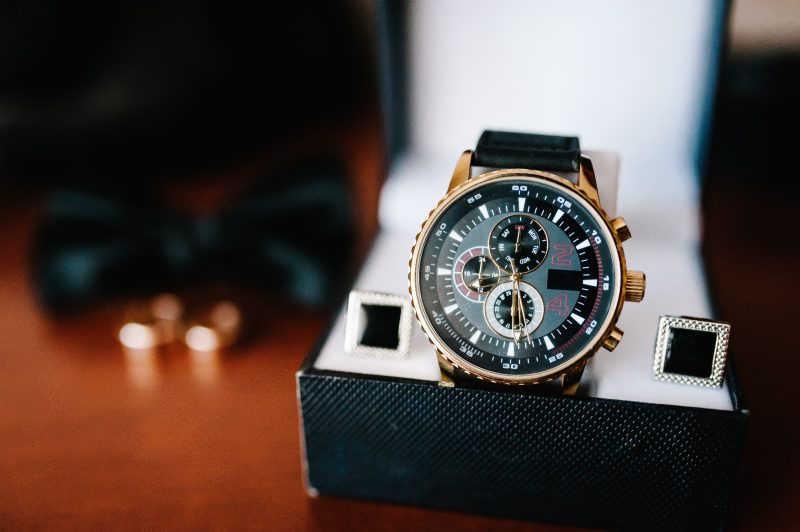
You’d be hard-pressed to find an object that better shows the blend of purpose, design, and craftsmanship than a watch. From sleek dress watches meant to slide neatly under a cuff to tough tool watches built for extreme places, every timepiece is a bit of functional art. The design choices are direct answers to what the wearer needs. A pilot’s watch has a large, easy-to-read dial for quick glances in a shaky cockpit. A diver’s watch has a rotating bezel that turns one way to keep track of time underwater, a crucial safety feature.
This tradition continues with modern adventure watches that pack advanced technology into their design. The main goal remains the same: to provide essential information in a reliable and easy-to-understand package. For example, the Suunto Core 2 includes an altimeter, barometer, and compass in a tough, lightweight case. The big display, smart button layout, and rugged build are direct results of its design for challenging conditions. The real beauty of such a watch isn’t in fancy decorations but in what it can do. When function is the top priority, an elegant and powerful form naturally appears.
Legacy of Durable Tools
When an object is designed with a clear purpose and built with care, it often outlives its owner. Think about tools and gear that have stayed pretty much the same for generations: a chef’s forged steel knife, a well-made leather briefcase, or a cast-iron skillet. These aren’t things you replace every few years; you maintain them, care for them, and often, they get better with age. The leather on a briefcase develops a unique patina, and a well-used skillet becomes naturally non-stick. They become part of our own stories.
This contrasts with today’s culture of disposable products and planned obsolescence. Many items are made to break or become outdated, pushing people into a constant cycle of buying new things. Purpose-built objects reject that idea. Because they’re made from good materials and can often be repaired, they offer a more sustainable and satisfying way to live. Choosing longevity means investing in quality over quantity. These aren’t just possessions; they’re trusted companions for life’s tasks, capable of being passed down to the next generation, carrying with them the marks and memories of years of faithful service.
The Allure of Understated Luxury
In a world overflowing with logos and obvious branding, a quieter, more personal form of value is emerging. This is the appeal of understated luxury, and it fits perfectly with the ideas behind purpose-built design. True luxury, in this view, isn’t about showing off wealth but about owning things that deliver performance, quality, and satisfaction every time you use them.
The luxury of a purpose-built item is something you feel, not just something you see. It’s the quiet confidence of knowing your gear won’t let you down when you need it most. It’s the satisfying feel of using a tool that seems like an extension of your own hand. This value is built into the object itself, in its thoughtful design, excellent materials, and careful construction. A purpose-built object doesn’t need to shout its value; it proves it every time you use it. This creates a deeper and longer-lasting sense of satisfaction than any fleeting trend.
The lasting appeal of these items comes from their honesty. They are exactly what they claim to be: tools designed to do a job exceptionally well. The next time you pick up an object that feels perfectly balanced and effortlessly capable, take a moment to appreciate the silent story of its design—a story of purpose, crafted to last.