

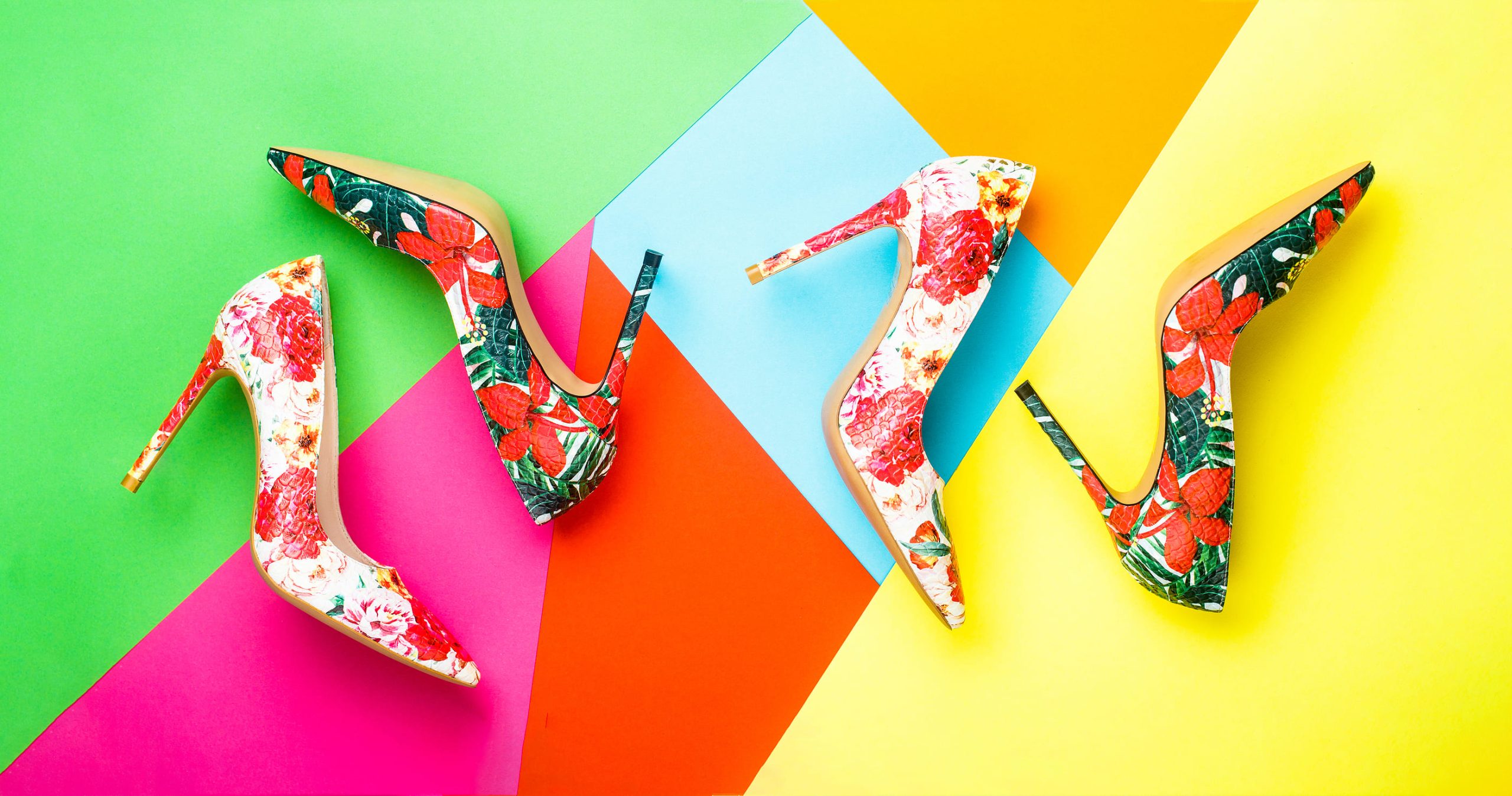
A bold pair of shoes can give a basic outfit a clear point of view. Color, shape, and texture draw the eye downward, making familiar pieces such as jeans, plain dresses, and tailored pants feel more intentional. You don’t need a crowded closet or an elaborate styling routine to get the effect. One memorable pair can refresh several outfits while giving you an easy way to express your taste.
All Posts

Booking a facial can mean very different things depending on what you want from the experience. Sometimes, you simply want an hour to relax and give your skin a little extra attention. Other times, you may be hoping to tackle a specific concern such as uneven texture, congestion, dryness, or visible signs of aging. This is where the difference between a regular facial and a medical-grade facial becomes important.

Tattoos place visual art in direct conversation with the body, allowing an image to change as its wearer moves and ages. Once treated mainly as markers of group identity or rebellion, they now draw openly from portraiture, abstraction, typography, and traditional decorative arts. That creative range has encouraged a broader appreciation of body art as contemporary culture. The evolution of tattooing from a subculture to a celebrated art form has also prompted a deeper appreciation for the skill and vision of the tattoo artist.

A vehicle isn't just a way to get from one place to another anymore. It's become a personal space, a statement, and a key part of our daily routine. The time we spend behind the wheel, whether it's a quick trip to the office or a longer weekend getaway, offers a unique chance. It's an opportunity to step away from the chaos and reconnect with ourselves. By intentionally shaping this experience, you can turn a mundane necessity into a cherished part of your day.

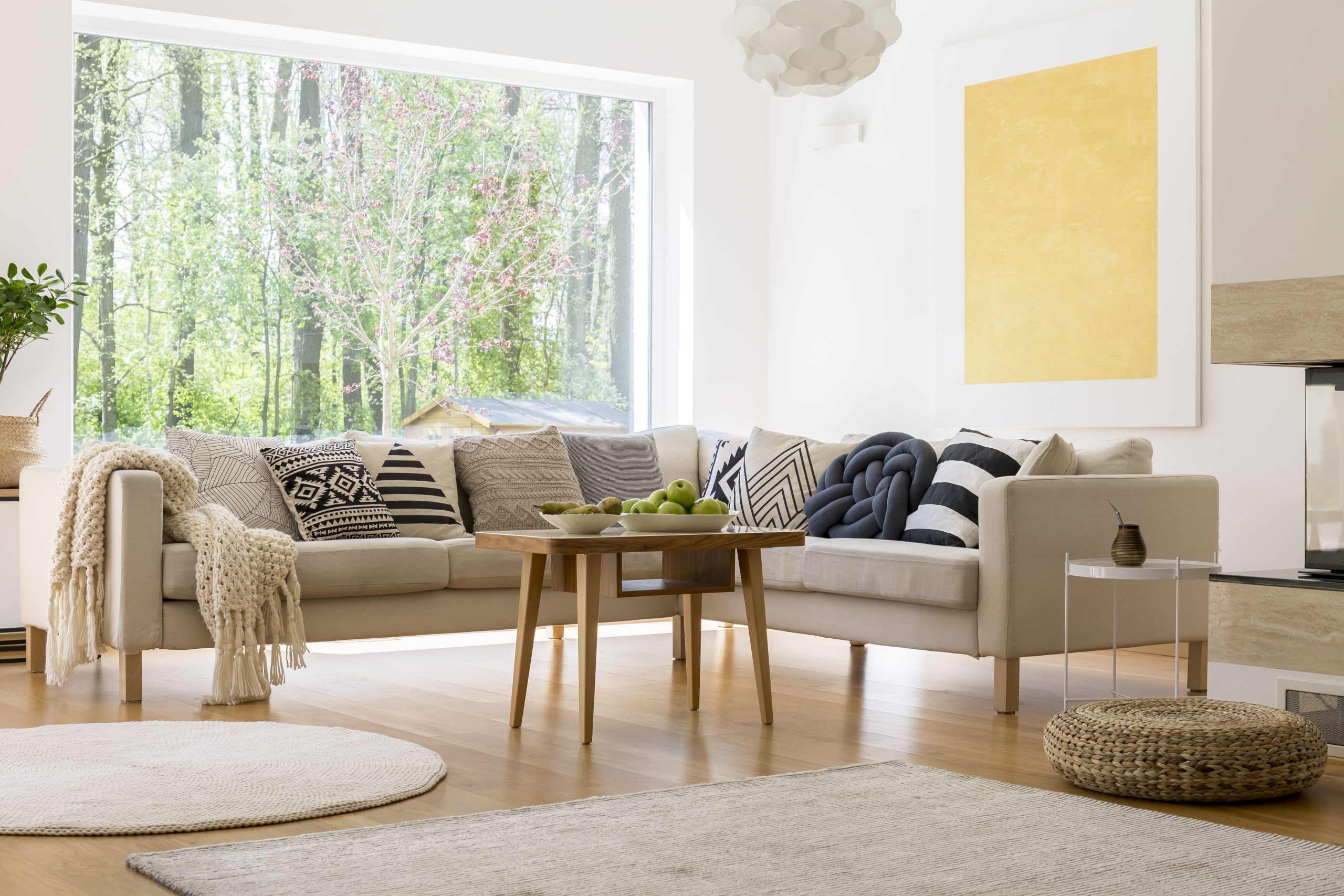
A beautifully designed room often feels complete, and you might not even know why. It just has this certain richness and personality that goes way beyond the color on the walls or the style of the furniture. This inviting vibe usually comes from a clever design trick called layering. Layering is all about mixing different materials, textures, and decor to create a space that’s interesting to look at, feels really personal, and has tons of character. It’s what turns a house full of stuff into a cozy, put-together home.

Selling a high-value home involves much more than simply listing it on the market. It's a nuanced process that blends financial strategy with an appreciation for the intangible qualities that define a luxury mansion. Successfully closing a deal on a premier property requires a deep understanding of the market, the discerning expectations of affluent buyers, and the intricate legal and financial steps involved.

A luxury home is so much more than just a beautiful building; it's a large, complex asset that requires careful upkeep. Sure, you put a lot into the design, materials, and tech at the start, but that's really just the beginning. To keep its true, lasting value, a property needs consistent, highly detailed maintenance that goes well beyond just tidying up.







There's a big difference between a good meal and a truly memorable one. Often, it comes down to one simple thing: the quality of the ingredients. This is especially true for seafood, where freshness and where it comes from dictate everything, from flavor to texture. Turning a simple fish dinner into a gourmet experience doesn't need complex cooking skills or exotic spices. It starts with quality ingredients and knowing how to let them shine.