
Tattoos place visual art in direct conversation with the body, allowing an image to change as its wearer moves and ages. Once treated mainly as markers of group identity or rebellion, they now draw openly from portraiture, abstraction, typography, and traditional decorative arts. That creative range has encouraged a broader appreciation of body art as contemporary culture. The evolution of tattooing from a subculture to a celebrated art form has also prompted a deeper appreciation for the skill and vision of the tattoo artist.
Category Archives: Art & Culture

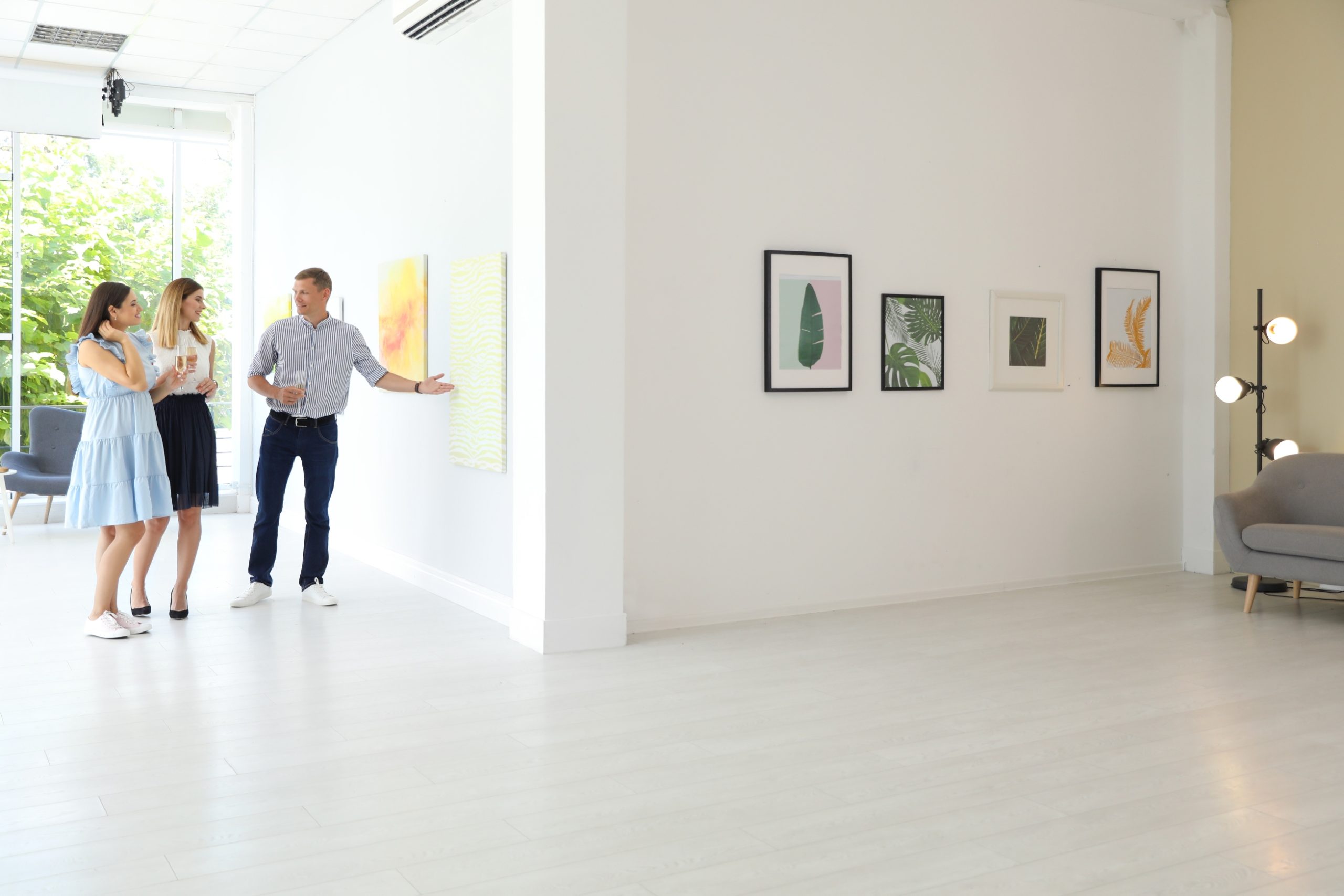
An art gallery is so much more than just white walls and beautiful objects. It's actually a pretty complex business where the physical space itself plays a huge role; it can be a big help or a big headache. For anyone dreaming of opening a gallery, or even current gallerists, that vision of curating a perfect viewing experience can quickly bump up against the cold, hard cash realities of real estate. The building you pick isn't just a box for art; it actively helps your business succeed or fail.
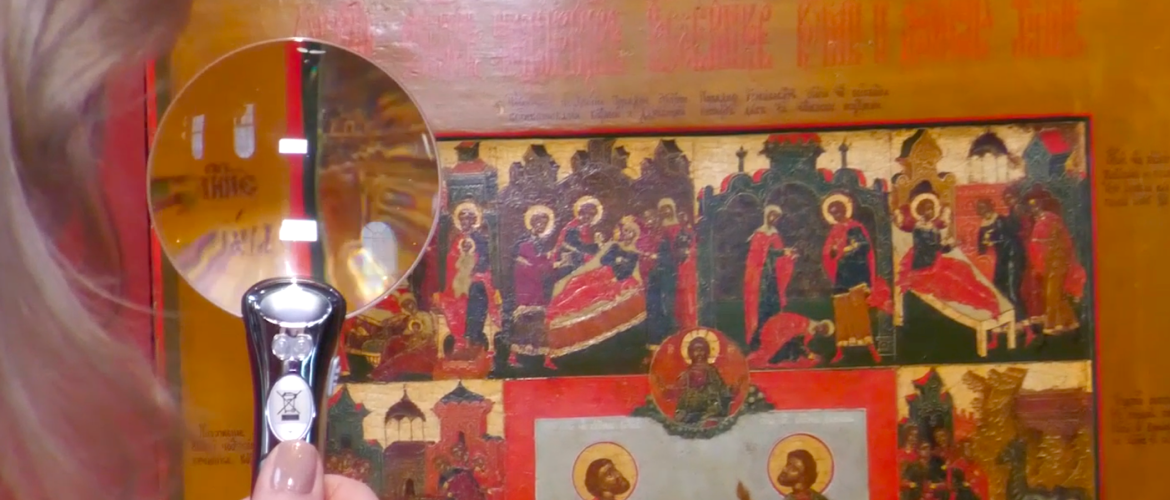
The first instinct of a viewer standing in front of a Russian icon is to judge it similarly to a painting. Is the perspective convincing? Is the face lifelike? Is the artist’s personality visible? However, this approach is not the proper way to read an icon because it was never meant to imitate the visible world.

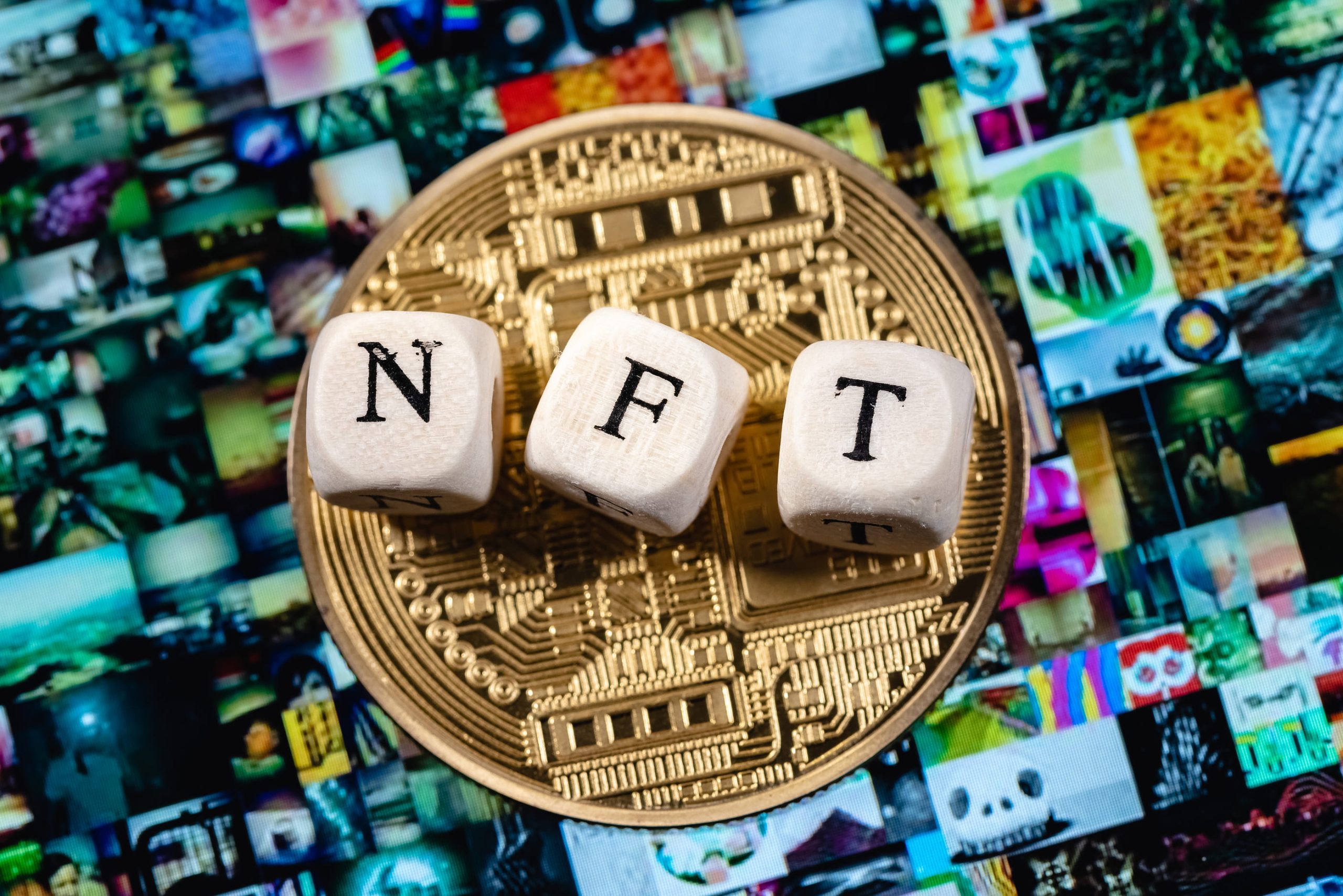
An art expert’s traditional perception of valuable, rare, and irreplaceable art is that of a static, offline object that can be touched, physically moved, and stored. With this definition dominating the industry for many centuries, online art escapes easy classification and faces varying degrees of acceptance.

Next Thursday, September 10, Auctions at Showplace invites collectors to explore a diverse selection of art, design, and vintage items at its New York City Estate Auction. An exciting set of 280 lots, including works by Marc Chagall, Pablo Picasso, Joan Miró, Salvador Dalí, and Nancy Grossman, among others, is awaiting new owners. Live bidding begins at 11 am EDT, so it’s time to choose your top picks before the auction.

In the fall of 2016, water protectors at Standing Rock used an unusual form of artistic protest while resisting law enforcement personnel. They held plywood shields covered with reflective Mylar, angled so that police officers approaching them saw their own reflections. The action was part of the Mirror Shield Project, initiated by the contemporary artist Cannupa Hanska Luger.

As the low winter season comes to an end in South Africa, Nel Gallery is invigorating the local art landscape with new and exciting art events. One of them is a two-day multimedia art performance by the internationally acclaimed artist Holger Maik Mertin, held on August 26–27, 2026. On September 1, a solo show by Ina van Zyl will also open at Nel, inviting art lovers to explore her “radically classical” approach to portraiture.


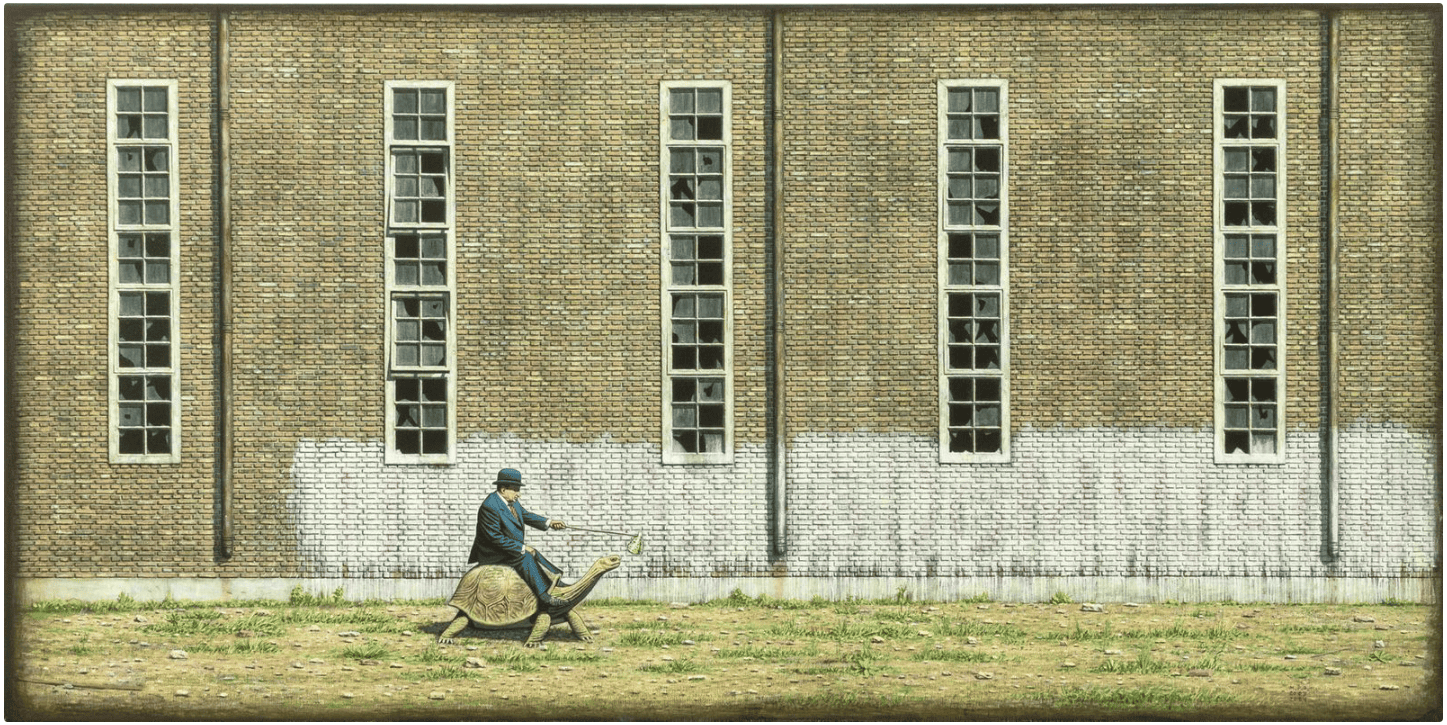

The most general approach to define art is to view it as the deliberate creation of objects or experiences with formal, expressive, or imaginative value. As a rule, art is assessed for its creative qualities rather than its practical utility. Yet, this definition quickly becomes difficult to defend if you find yourself in a room with Duchamp’s urinal on a plinth. So, how have people tried to answer this question, and what are the limitations of their definitions?