
The Emotionally Colored Palette of Van Gogh’s Self-Portraits
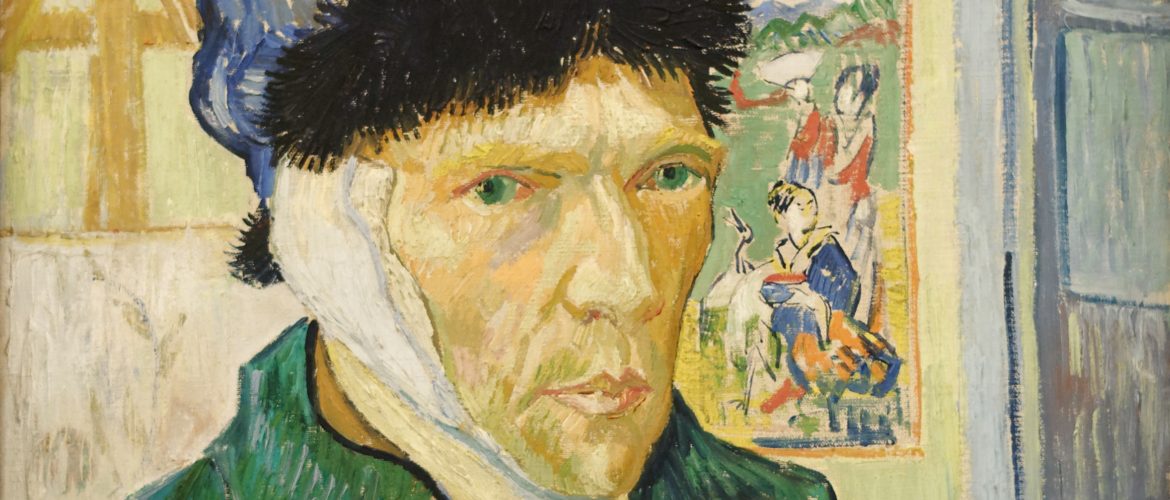
Vincent van Gogh created over 30 self-portraits throughout his career, each with a unique and emotional color palette. Their careful evaluation shows that the genius artist managed to employ the principles of expressive color long before these concepts were described in modern psychology and the study of color. Here is a brief tour of color choices as another symbolic element in van Gogh’s self-portraits, serving as a diary of the artist’s turbulent emotional profile and creative journey.
Impressionist and Neo-Impressionist Colors in Van Gogh’s Self-Portraits
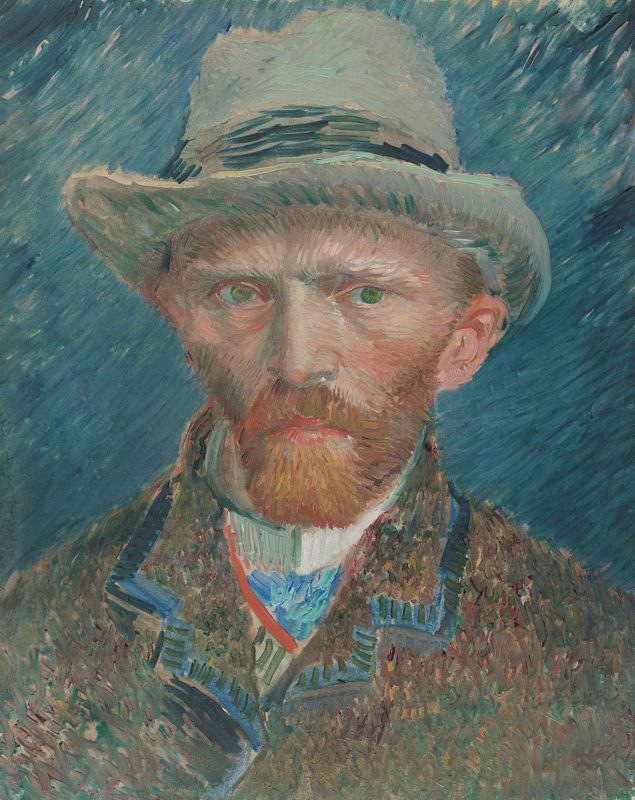
Van Gogh created his first self-portraits during his early Dutch period. These works are characterized by muddy brownish colors that reveal the artist’s initial steps in color exploration. However, his relocation to Paris in 1886 and a deep dive into the wonders of Impressionist and Neo-Impressionist color experimentation gave the world another legacy of van Gogh. The artist’s self-portraits of that period are abundant in cool green and fresh blue shades, used complementarily with soft contrasts. The 1887 self-portrait impresses with a warm, pale turquoise background, supplemented by tiny orange strokes in the artist’s beard.
Self-Portraits Created in Arles
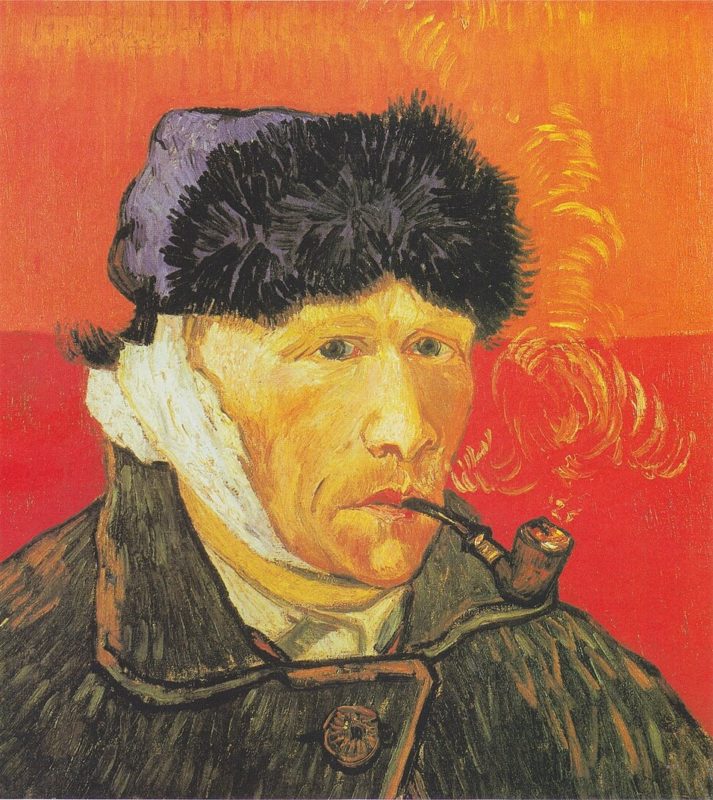
As van Gogh moved to Arles in 1888, his color usage changed, together with the onset of a new emotional period in his life. Inspired by the southern sun and the turbulence of the local community heartbeat, van Gogh used lots of yellow and ochre tones in his paintings. Sharp greens, harsh cobalt linings, and radiant yellow shades in van Gogh’s self-portraits of that period reveal the artist’s inspiration but also hint at the escalating emotional fever.
Emotional Climax of Saint-Rémy Portraits
Van Gogh’s Saint-Rémy self-portraits were all created after the artist’s voluntary admission to an asylum. Attentive viewers will quickly notice how his color palette cools down, with deeper blues and violets dominating the canvases. If you take a closer look at van Gogh’s famous 1889 self-portrait, you can even diagnose the artist’s mental state disturbances. Here, the psychological unease is identified by the repetitive and rhythmic background, standing in stark contrast to the painter’s still face.
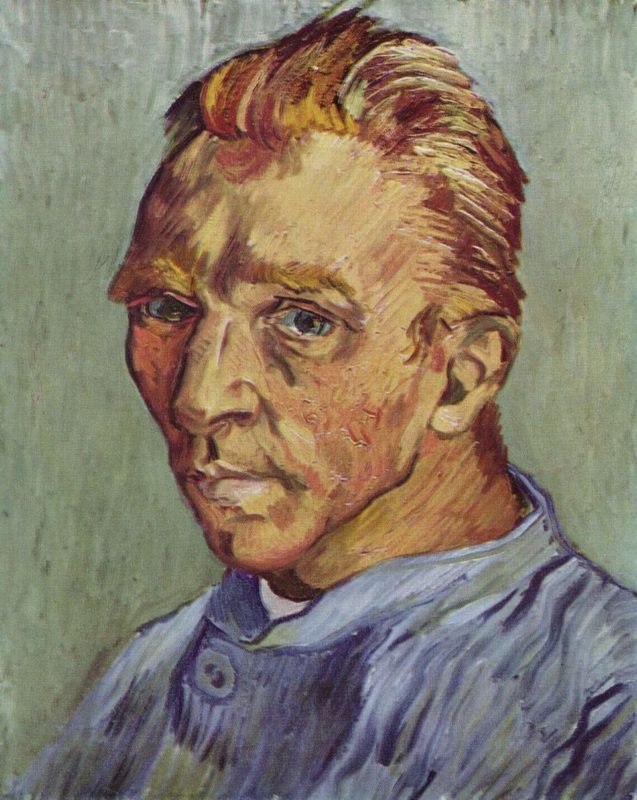
Each of these brief periods has been marked by lots of emotional labor for van Gogh, which the artist approached with a high degree of introspection and creative reflection. From the feverish yellows of his brief southern exile to the calm and isolated blues, the color of van Gogh’s portraits conceals much more than a visual narrative.