
Preserving the Sacred: Popular Icon Conservation Methods
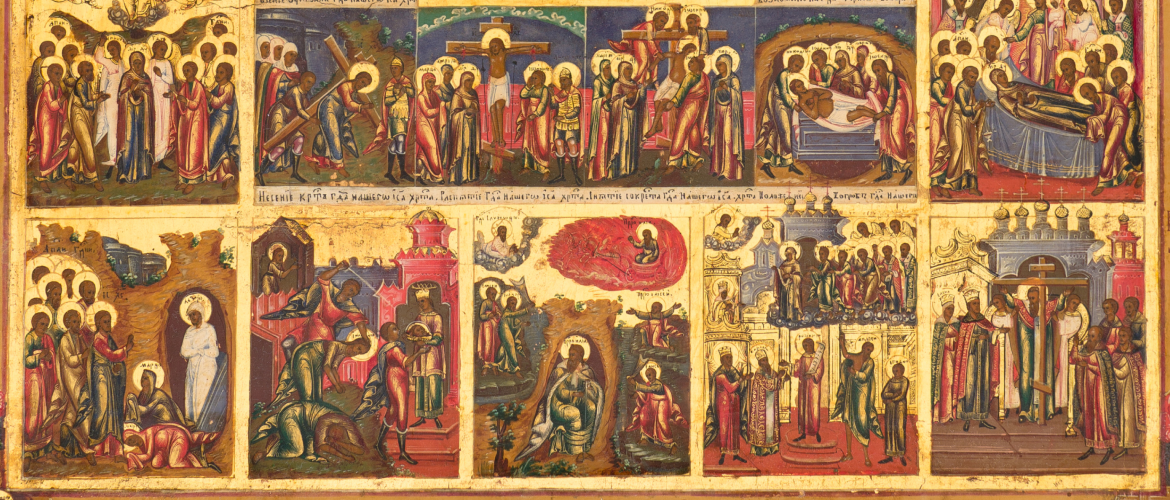
Humanity is fortunate to preserve antique icons that have survived since the Byzantine era and the early Orthodox Christian tradition. These sacred devotional objects are not only spiritually significant but also exceptionally fragile, requiring highly specialized care and preservation techniques. As a result, icon conservation remains one of the most important and delicate areas of professional art restoration today. Here is a closer look at the most widely used methods for preserving historic icons.
Popular Icon Conservation Methods
Examination and Technical Analysis
Every icon conservation project begins with a thorough examination of the object. Conservators carefully assess the icon’s condition using advanced non-invasive imaging technologies such as raking light photography, ultraviolet fluorescence, and X-ray radiography. These methods reveal hidden paint losses, structural instability, earlier restoration campaigns, and underdrawings that are invisible to the naked eye.
This stage is essential for developing a safe and ethical conservation strategy while minimizing unnecessary intervention.
Stabilization of Wooden Supports
Many antique icons are painted on wooden panels that naturally deteriorate over time due to fluctuations in humidity, insect activity, and environmental stress. Warping, cracking, and panel separation are common structural issues addressed during icon conservation.
Conservators stabilize weakened wooden supports through gradual humidification and controlled pressing procedures designed to reduce stress without causing further damage. Delaminated wood layers are carefully reattached using reversible conservation adhesives, often based on traditional animal-hide glues that remain compatible with historic materials.
Consolidation of Lifting Paint Layers
Flaking paint and unstable gesso layers are among the most urgent concerns in icon preservation. To prevent further paint loss, conservators inject or apply consolidating materials beneath fragile areas using precision tools and controlled heat or pressure.
Traditional materials such as rabbit skin glue and sturgeon glue continue to be widely used, although modern synthetic conservation-grade adhesives are increasingly incorporated when appropriate. The goal is always to secure the original surface while preserving the icon’s historical integrity.
Cleaning and Removal of Aged Varnish
Over centuries, icons accumulate layers of candle soot, dirt, oxidized varnish, and overpainting that can obscure the original composition and color palette. Cleaning is one of the most technically demanding stages of conservation because overly aggressive treatment can irreversibly damage delicate paint layers.
Professional conservators use carefully tested solvents, cotton swabs, scalpels, and microscopic tools to remove surface contaminants with maximum precision. In some cases, previous restoration additions or discolored varnish layers are selectively removed to reveal the authentic appearance of the icon.
Ethical Retouching and Inpainting
Areas of paint loss are often visually reintegrated through conservation inpainting. Before retouching begins, missing sections are filled with neutral materials that remain distinguishable from the original artwork under close inspection.
Conservators typically use reversible watercolors or conservation pigments for inpainting, following the principle of “ethical invisibility.” This means that restoration work should visually blend with the icon at normal viewing distance while remaining identifiable to specialists during examination.
Discover More About Russian Icons
For those interested in sacred art, Russian icons open the door to centuries of spiritual, artistic, and cultural history. Beyond icon conservation, antique Russian icons represent a fascinating field of collecting and scholarly research.
The catalog of a private collection assembled by Oleg Kushnirskiy offers an excellent introduction to this world. Featuring more than 60 antique icons with high-resolution photography and detailed historical commentary, the catalog provides valuable insight into the traditions, symbolism, and evolution of Russian religious art. It is now available for purchase on the Russian Icon Collection website.