
Experimental Art of Man Ray: Precursor of Modern Conceptual Art
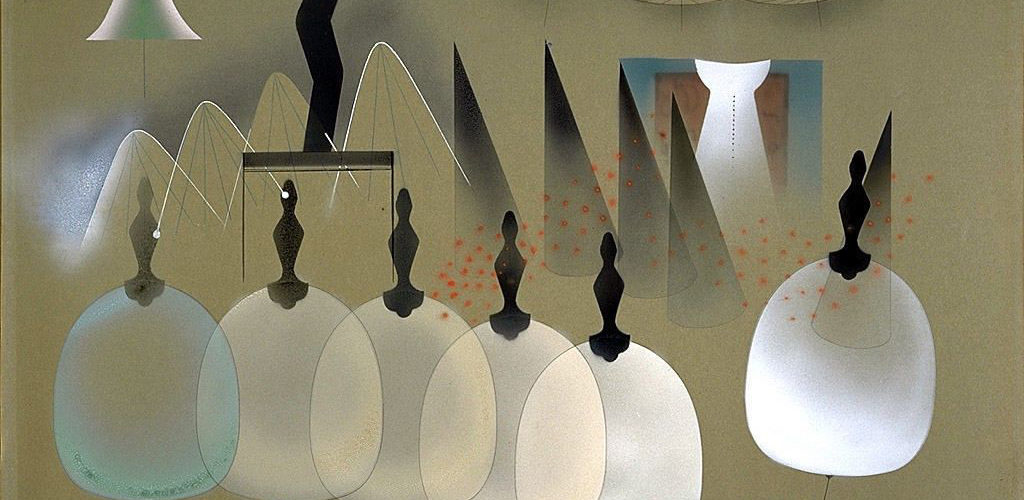
Many art connoisseurs know Man Ray as a 20th-century photographer and painter. Yet, he also acquired global fame as a lifelong experimentalist who paved the way for new art trends, such as experimental and conceptual art. The surrealist artist used his work as a laboratory for testing unprecedented, daring ideas, and his innovations went down in the history of art.
Rejection of Technical Perfection
When one talks about Man Ray, it won’t be wrong to say that his primary creative medium was experimentation itself. The artist crossed many disciplines and had decades-long experiments to break down and reassemble the very vocabulary of art. That’s why the name of Ray is mostly associated with a specific attitude, embodied in curiosity, chance, and refusal to accept the confines of specific art fields.
Anti-Photography by Man Ray
The start of Ray’s career coincided with the birth of the avant-garde movement, which sought to undermine tradition and seek new ways to do art. Ray experimented widely with photography, and his efforts were often mistaken for disrespectful treatment of the photography tradition. In fact, the artist reinvented this creative medium by introducing ‘rayographs.’
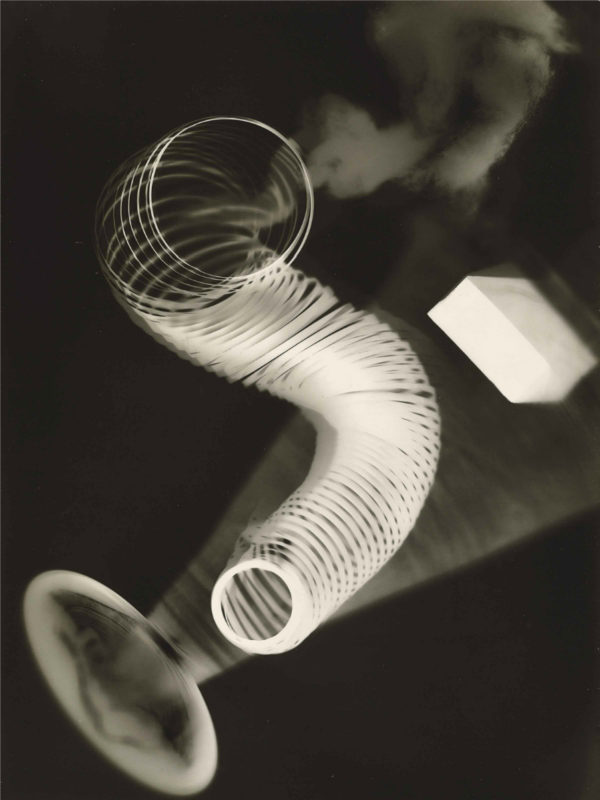
These were neither photos nor drawings, but rather a blend of the two, spiced by the unpredictable elements inserted in the composition. Rayograph creation involved adding everyday objects to photosensitive paper and exposing them to light. This technique foreshadowed the later movement of processual art, where artists focused on the discovery instead of targeting a specific outcome of their creative efforts. Thus, Ray can be objectively regarded as the father of contemporary conceptual art by emphasizing the idea and method over the creative output.
Man Ray’s Art Thriving on Error
Man Ray’s experimental approach was also prominent in sculpture. His art objects are now immediately recognizable, be it a tack-studded icon or a metronome with a blinking eye. The artist proposed creative alterations to everyday objects and destabilized their fixed meanings, giving the art world a new approach to artistic interpretation. Human bodies were also treated as raw materials for experimentation, giving Ray endless options for solarization, cropping, testing the light-and-shadow effects, and the like.
The most notable aspect of Man Ray’s art was the artist’s complete calmness about the outcomes of his experimentation. He was never anxious about what he would get in the end, expressing no fear of failure and always striving for the unexplored instead of seeking definitive results. The uniqueness of his artistic method is a source of inspiration for many contemporaries, embracing conceptual art as a continuous process of self-inquiry and reflection.